

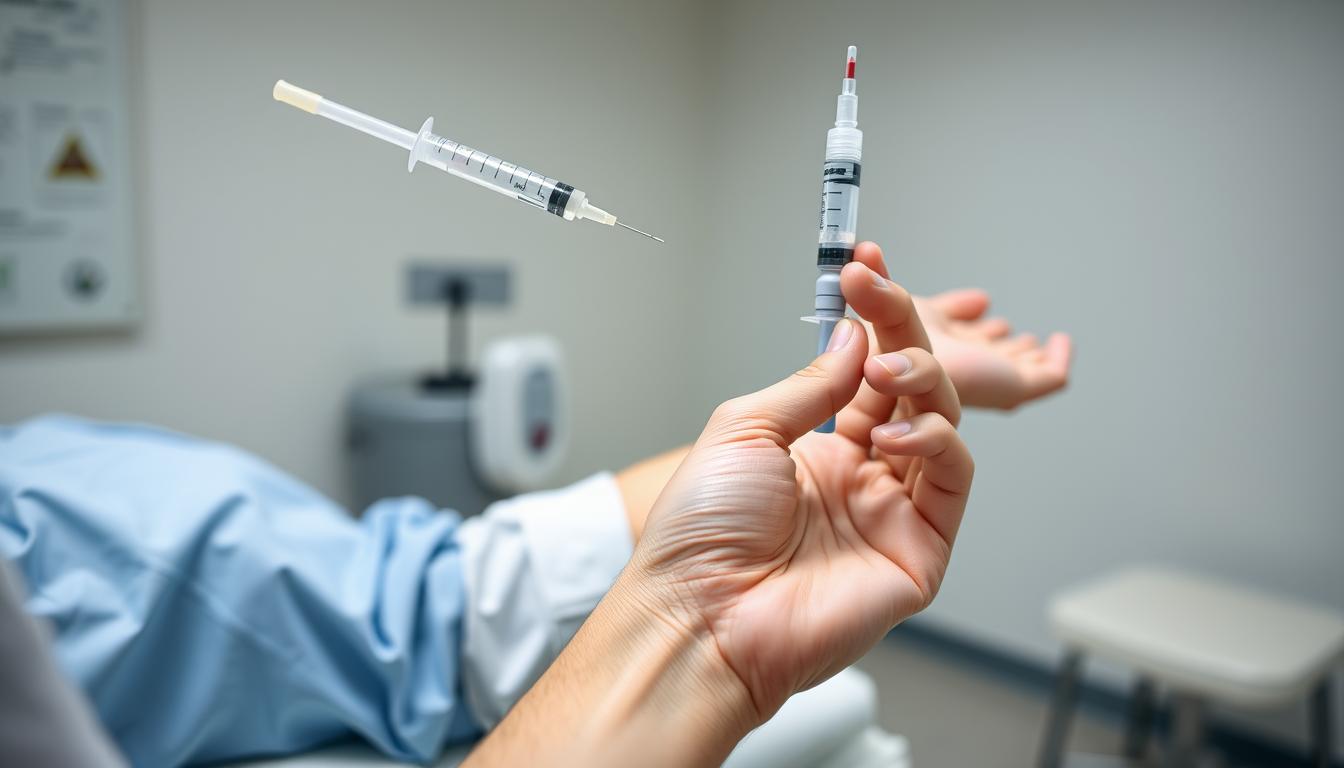
Did you know that roughly 25% of adults feel nervous about medical needles? If the thought of a blood draw makes your palms sweat, you are far from alone. This fear is valid and incredibly common.
A phlebotomy procedure, performed by a specialist called a phlebotomist, is a vital part of healthcare. It helps doctors check your health and provide the right care. Understanding the process can significantly reduce anxiety.
Phlebotomists receive special training to make the experience as smooth and comfortable as possible. They are there to help you. Don’t hesitate to ask them questions before and during your visit.
This guide offers eight practical strategies to help you feel more at ease. You will learn how to prepare, what to expect, and simple techniques to manage stress.
Key Takeaways
- Fear of needles is a very common experience for many patients.
- A blood draw is a quick but important medical test for your health.
- A phlebotomist is a trained professional who performs the procedure.
- Communicating your anxiety can help your phlebotomist assist you better.
- Simple preparation and relaxation techniques can make a big difference.
- Knowing what to expect during the process reduces fear of the unknown.
Preparing for Your Blood Draw
Knowing exactly what will happen during your visit can dramatically reduce anxiety levels. When you understand each step, you feel more in control.

Understanding the Process and What to Expect
The medical staff will first examine your arm to find the best vein. They use a tourniquet to make veins more visible. This feels like a tight band around your arm.
Next, they clean the area with an alcohol wipe. This feels cool and wet. The actual procedure involves a quick needle insertion.
Your body contains plenty of blood and quickly replaces what’s taken. This is a normal part of maintaining your health. The entire process typically takes just a few minutes.
Managing Needle Anxiety with Simple Tips
Create a personal comfort plan before your appointment. Practice deep breathing exercises. These can calm your nervous system.
Consider bringing a support person to hold your hand. Squeezing a stress ball also helps. Distraction techniques work well too.
You might look at your phone or focus on a picture. Tell the staff about your preferences. They can help make your experience smoother.
Preparation is one of the most effective things a patient can do. It turns uncertainty into familiarity.
Essential Steps for Blood Draws
Healthcare professionals follow a systematic approach to ensure safe and effective specimen collection. This process requires careful planning and precise execution at every stage.
Identifying the Best Vein and Site Selection
The median cubital vein in the elbow area is the preferred choice for drawing blood. This large vessel sits close to the skin surface and offers minimal risk.
Phlebotomists also consider the cephalic and basilic veins as alternatives. They avoid swollen areas, scarred tissue, and arms with medical devices.
Gathering the Necessary Supplies
Proper preparation begins with collecting all required equipment. This includes various collection tubes, needles, and personal protective gear.
Tourniquets, alcohol wipes, and sharps containers complete the essential supplies. Having everything organized before starting ensures a smooth procedure.
Mastering the Venipuncture Technique
The actual venipuncture requires specific skills and attention to detail. Professionals apply the tourniquet and clean the skin thoroughly.
They insert the needle at a 15 to 30-degree angle while anchoring the vein. This prevents rolling and ensures successful collection for laboratory tests.
Proper technique guarantees accurate results and patient comfort. Nurses and phlebotomists train extensively to master these critical steps.
Best Practices for a Safe and Smooth Experience
A smooth medical experience relies on two key phases: the safety measures during the procedure and the steps taken immediately after. Following strict guidelines protects everyone involved.
Organizations like the World Health Organization set these standards. Their goal is to improve patient comfort and ensure accurate laboratory results.
Implementing Safety Protocols and PPE Guidelines
Safety starts before the needle even touches the skin. Proper hand hygiene is the first step for any healthcare worker.
They must wear appropriate personal protective equipment, like gloves. This simple act is a powerful barrier against infection.
Using a fresh alcohol wipe to clean the area is non-negotiable. Certain dangerous practices are strictly avoided.
This includes never recapping needles by hand. Reusing a tourniquet is also a major risk.

Proper Aftercare, Labeling, and Specimen Handling
Once the procedure is complete, attention shifts to the patient and the samples. Aftercare begins by applying firm pressure with gauze.
A small bandage is then placed over the site to protect it. The patient should monitor the area for any issues.
Accurate labeling of samples happens right at the bedside. This prevents mix-ups and is critical for reliable tests.
The tubes must be inverted properly before being sent to the laboratory. Timely delivery ensures the quality of the results.
| Safe Practice | Dangerous Practice | Reason |
|---|---|---|
| Using single-use gloves | Reusing contaminated supplies | Prevents cross-contamination |
| Labeling samples immediately | Delaying specimen identification | Ensures accurate laboratory results |
| Working with a colleague | Working alone with a restless patient | Reduces risk of accidental injury |
The overall purpose of best practices is to increase safe procedures, reduce virus exposure, and improve the quality of laboratory tests.
This level of care requires dedicated training. Many nursing programs do not include phlebotomy as a standard part of the curriculum.
Yet, nurses in hospitals, especially in critical care, need these skills. They provide urgent services when quick tests are essential for patient care.
Conclusion
Mastering the art of specimen collection requires dedication from both healthcare providers and patients. When you prepare properly and communicate openly, the procedure becomes much more manageable. Your active participation is a crucial part of the process.
Remember that your phlebotomist has specialized training to make each visit as comfortable as possible. Venipuncture is a skill that improves with practice, so even experienced professionals may need multiple attempts. Don’t hesitate to ask questions about the supplies and technique.
This medical service provides essential information for accurate laboratory tests and diagnoses. Understanding the steps empowers every patient to work collaboratively with their healthcare team for better health outcomes.