

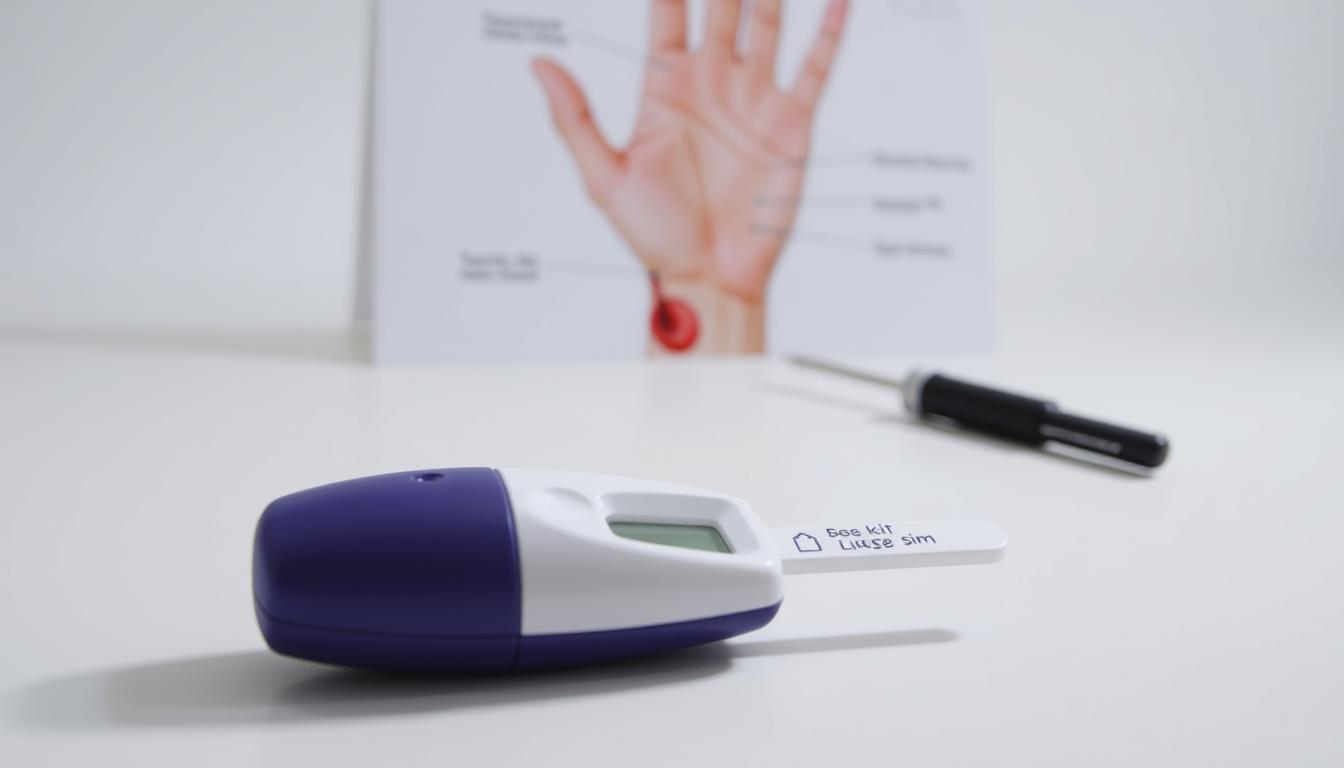
Did you know that over 1 billion blood tests are performed in the United States each year? This staggering number highlights just how vital these assessments are for modern health management.
Among the most common of these evaluations are those that check your glucose levels. These measurements provide a crucial snapshot of your metabolic health. A single test can be a powerful first step in understanding your body’s condition.
Healthcare providers frequently use these screenings to check for Type 2 diabetes, a widespread condition. It is important to remember that one unusual result does not automatically mean you have a medical issue. Doctors consider the full picture of your health.
This guide will clarify the difference between an A1C test and a standard blood glucose check. Understanding these tools empowers people to have more informed discussions with their healthcare team about prevention and management strategies.
Key Takeaways
- Blood tests are a fundamental part of health screening and monitoring.
- Glucose levels offer a snapshot of your body’s current metabolic state.
- A single test result is just one piece of a larger health puzzle.
- Different tests serve unique purposes in diabetes care and prevention.
- Knowing the types of tests available helps you manage your health proactively.
Introduction: What is Blood Sugar Testing?
The ability to track how your body processes energy sources forms the foundation of modern diabetes care. This monitoring provides crucial information about metabolic health and helps prevent complications.
An Overview of Blood Glucose and Diabetes Management
Regular glucose checks serve as the cornerstone for managing diabetes effectively. These measurements offer real-time insights into how food, medication, and activity affect your system.
Maintaining proper glucose levels is essential for optimal body function. When levels drop too low, cognitive abilities and coordination can suffer. Consistently high readings may lead to complications over many years.
The Role of A1C and Glucose Tests in Monitoring Health
The A1C assessment measures average glucose control over approximately three months. This provides a broader picture of how well management strategies work over time.
Standard glucose checks capture single moments, like snapshots. They help people make immediate decisions about food, medication, or activity adjustments. Together, these methods create a comprehensive monitoring system.
“Combining immediate glucose readings with long-term A1C data gives both patients and providers the complete picture needed for effective diabetes management.”
| Test Type | Time Frame | Primary Purpose | Frequency |
|---|---|---|---|
| A1C Assessment | 3-month average | Long-term trend analysis | 2-4 times yearly |
| Glucose Check | Current moment | Immediate decision making | Daily or as needed |
| Combined Approach | Comprehensive view | Complete health picture | Ongoing monitoring |
Understanding these monitoring tools empowers individuals to recognize factors influencing their levels. This knowledge enables proactive steps to maintain healthy ranges and prevent complications.
Understanding Blood Glucose and A1C Tests
The partnership between immediate glucose readings and three-month averages creates a complete picture of metabolic control. These two approaches work together to provide different but equally valuable insights.

Differences Between A1C and Blood Glucose Measurements
The A1C assessment measures your average glucose level over approximately three months. It shows the percentage of hemoglobin proteins that have glucose attached to them.
Standard blood glucose checks capture your exact level at a specific moment. They help you understand how meals, activities, and medications affect your system throughout the day.
According to the American Diabetes Association, most adults should aim for an A1C result below 7%. This translates to an estimated average glucose of less than 154 mg/dL.
How Each Test Reflects Your Health Over Time
Daily glucose measurements provide immediate feedback for daily decisions. They show patterns that help you make quick adjustments to your management strategy.
The A1C test reveals whether your daily efforts are working over the long term. It confirms if your overall approach is achieving sustainable health goals.
Target ranges for standard checks include 80-130 mg/dL before meals. Readings should stay below 180 mg/dL about two hours after eating.
Understanding these differences helps people with diabetes interpret their results correctly. It enables effective collaboration with healthcare providers for optimal treatment plans.
How to Monitor and Test Your Blood Sugar Levels
Modern diabetes management offers multiple approaches to checking your levels throughout the day. Selecting the right method depends on your individual needs and lifestyle requirements.
Preparing for Your Blood Sugar Test
Proper preparation ensures accurate readings from your glucose meter. Begin by washing your hands thoroughly to remove any contaminants.
Insert a fresh test strip into your meter and prepare the lancing device. Use the side of your fingertip near the fingernail to minimize discomfort. Spring-loaded devices make the process quicker and less painful.
Many modern meters allow testing on alternative sites like the forearm or thigh. These locations typically cause less discomfort than frequent finger pricks.
Choosing Between Finger Pricks and Continuous Glucose Monitoring (CGM)
Traditional meters provide single-moment measurements perfect for immediate decisions. They remain a cost-effective option for many people.
Continuous glucose monitoring systems represent a significant advancement. CGM devices use a small sensor inserted under the skin that measures levels every five minutes.
These sensors typically function for 7-14 days depending on the system. They transmit data to a receiver or smartphone app, offering real-time trends and alerts.
Finger testing remains essential when you suspect low levels, as it provides the most current reading. Choosing between methods depends on your monitoring intensity and personal preferences.
Interpreting Test Results and Managing Diabetes
Each glucose reading provides valuable clues about your metabolic health. Proper interpretation turns numbers into actionable insights for better management.

Recording your results immediately after each check creates a powerful tool. Note what factors may have affected them, such as food, activity, and stress levels.
Recognizing Signs of High and Low Blood Sugar
Understanding symptoms helps you respond quickly to changing glucose levels. High readings may show increased thirst or fatigue. Low levels can cause shakiness or confusion.
These signs help you test at appropriate times. Quick action prevents serious episodes that can occur hours after meals or activity.
Using Test Logs to Track and Adjust Your Care Plan
Analyzing patterns over time reveals important trends. If your level is consistently high or low at the same time daily, it might signal needed changes.
Your detailed log becomes an invaluable communication tool during appointments. It shows your body’s response to your current diabetes care plan.
Target ranges are personalized based on multiple factors. Work with your provider to interpret what your results mean for you specifically.
Effective Blood Sugar Testing: Tips and Best Practices
Creating a personalized testing schedule is essential for effective diabetes management. The frequency of your checks should match your specific treatment approach.
People managing their condition through diet alone may test several times weekly. Those using insulin multiple times daily might need 3-6 checks per day. This helps safely adjust dosages and prevent dangerous fluctuations.
Preparing for Accurate Testing and What to Expect
Proper technique ensures reliable results. Always start with clean hands and fresh test strips. Make sure your meter is correctly coded if needed.
Adequate blood sample size is crucial for accuracy. Technical errors can produce misleading information. This might lead to inappropriate treatment decisions.
Integrating Testing into Your Daily Diabetes Care Routine
Strategic timing yields the most useful data. Check before meals to establish baseline glucose levels. Testing two hours after eating reveals how your body responds to food.
Bedtime checks help prevent overnight highs or dangerous lows. Integrating these moments into your routine creates consistent habits. This provides comprehensive data without feeling burdensome over the years.
Collaborating with Your Healthcare Provider for Optimal Results
Regular communication with your provider ensures your plan evolves appropriately. Discuss patterns and challenges during appointments. Your body’s needs may change with age or other health conditions.
Following American Diabetes Association guidelines helps understand individualized schedules. Know when readings warrant immediate attention versus routine follow-up. This collaborative approach optimizes your diabetes management.
Conclusion
Effective diabetes care relies on a strategic combination of different assessment methods. The partnership between immediate glucose level checks and long-term A1C measurements creates a complete picture of metabolic health.
Understanding these tools empowers people to take control of their condition. Regular monitoring helps recognize patterns over time and make informed decisions.
Working closely with your healthcare provider ensures your approach evolves with your needs. Target ranges may change with age or health status over the years.
Consistent tracking provides the foundation for successful long-term management. This proactive approach helps maintain quality of life while reducing complication risks.