

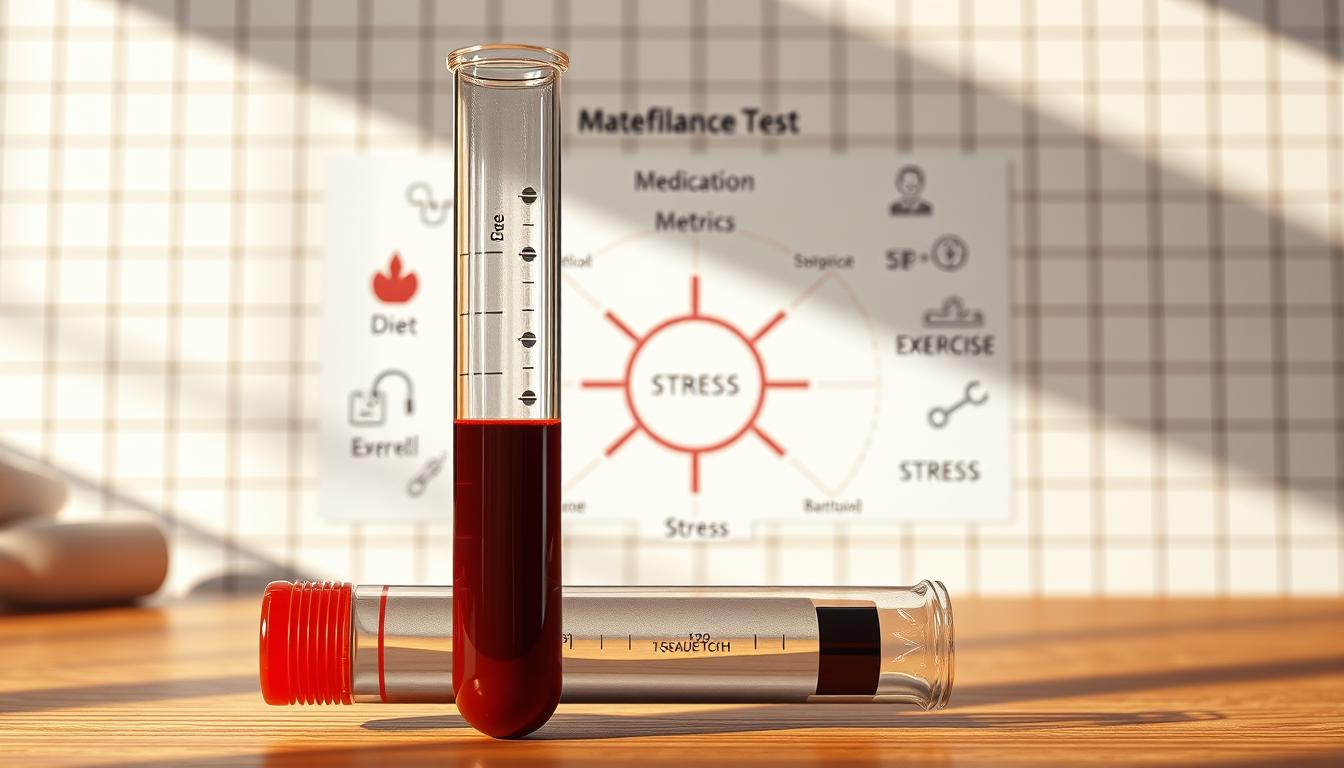
Did you know that over 14 billion laboratory exams are performed each year worldwide? A huge number of these are common lab checks that give doctors a vital look inside your body.
Getting accurate information from these assessments is crucial. It helps your healthcare provider spot potential issues and monitor your overall well-being. The numbers on the report offer a snapshot of your body’s current state.
But many everyday factors can change those numbers. What you eat, the medicines you take, and even the time of day can all influence the outcome. Understanding these variables helps you prepare correctly.
This guide will walk you through ten key things that can sway your lab work. Knowing what affects the process empowers you to get the most reliable information. Let’s explore how to optimize your next visit for the best possible outcome.
Key Takeaways
- Lab exams are a fundamental tool for diagnosing and monitoring health conditions.
- Accurate results are essential for a correct understanding of your physical state.
- Many daily habits and choices can significantly alter the numbers on your report.
- Proper preparation is key to ensuring the reliability of your lab work.
- This article will detail ten common factors that influence these medical assessments.
- Being informed helps you take an active role in your healthcare journey.
Overview: The Importance of Blood Testing
The information gathered from laboratory examinations plays a vital role in patient care. These assessments provide healthcare providers with essential data about your physical condition.
Regular screenings help establish baseline measurements for future comparison. This tracking allows medical professionals to monitor changes over time.
Insights from Routine Examinations and Screenings
Healthcare providers often recommend laboratory analysis during annual checkups. These evaluations assess overall wellness and identify potential concerns.
For individuals with specific risk factors, targeted screenings become particularly valuable. Early detection through these laboratory services can significantly improve health outcomes.
How Laboratory Assessments Support Accurate Diagnoses
Medical professionals analyze various components within samples to understand bodily functions. This analysis reveals important patterns and changes.
As one healthcare expert notes:
“Laboratory findings provide crucial puzzle pieces, but they represent just one part of the complete diagnostic picture.”
Providers combine this information with symptoms and medical history. This comprehensive approach leads to more accurate conclusions.
| Assessment Type | Primary Purpose | Common Uses |
|---|---|---|
| Complete Blood Count | Evaluate overall health | Detect infections, anemia, other disorders |
| Metabolic Panel | Check organ function | Monitor kidney and liver health |
| Lipid Panel | Assess heart disease risk | Measure cholesterol levels |
| Thyroid Panel | Evaluate hormone levels | Diagnose thyroid conditions |
These laboratory tools help detect problems early and guide treatment decisions. Understanding their purpose empowers patients in their healthcare journey.
Factors Affecting Your Blood Test Results
Many routine activities and substances can alter the measurements obtained from clinical evaluations. Understanding these influences helps ensure your laboratory readings provide an accurate picture of your health status.
Proper preparation is essential for reliable outcomes from medical screenings. Your daily choices directly impact the numbers that appear on your laboratory report.
Medications, Diet, and Lifestyle Considerations
Prescription drugs, over-the-counter medications, and supplements can significantly change your readings. These substances affect chemical balances and cell counts in your system.
Dietary patterns also play a crucial role. Recent food and beverage consumption influences glucose measurements and other important markers. Alcohol, smoking, exercise intensity, and stress levels create temporary or lasting effects on your outcomes.
Fasting, Timing, and Pre-Test Guidelines
Fasting requirements exist for good reason. Most screenings needing accurate glucose readings require at least six hours without food or drink. Water consumption is typically permitted during this preparation period.
The timing of your appointment matters greatly. Certain components in your system follow natural daily rhythms. Following your healthcare provider’s specific instructions ensures the most reliable assessment of your physical condition.
Blood Test Results Explained
When you receive your laboratory report, the numbers and abbreviations can seem like a foreign language. Understanding these measurements helps you better comprehend your physical condition and discuss findings with your healthcare provider.

Understanding Lab Abbreviations and Metric Measurements
Medical assessments use standardized units to report various levels in your system. Common abbreviations include g/dL (grams per deciliter) for substances like hemoglobin, and mg/dL (milligrams per deciliter) for glucose measurements.
Other frequently seen units are mmol/L for electrolytes and cmm for cell counts per cubic millimeter. These metric system measurements provide precise data about different components in your sample.
Interpreting Reference Ranges and Flagged Results
Each laboratory establishes its own normal range based on testing equipment and methodology. Your age, sex, and other individual factors can influence what’s considered typical for various levels.
When values fall outside the expected range, they may be flagged with an (H) for high or (L) for low. Remember that a single flagged result doesn’t always indicate a serious problem.
Discuss any concerning findings with your healthcare provider who can interpret them within the context of your overall health picture.
Preparing for Your Blood Test
The quality of your medical evaluation begins long before you reach the clinic. Thoughtful preparation ensures your laboratory readings provide a true picture of your health status.
Steps to Ensure Accurate Test Outcomes
Follow your healthcare provider’s specific instructions carefully. These guidelines help eliminate variables that could affect your assessment.
Fasting requirements are common for many laboratory examinations. Typically, you’ll avoid food and beverages for 6-12 hours before your appointment. Water consumption is usually permitted during this preparation period.
Discuss all medications and supplements with your provider beforehand. Some may need temporary adjustment while others should continue as usual.
Proper hydration makes the collection process smoother. Drink adequate water before your visit unless instructed otherwise.
Avoid strenuous exercise for 24 hours prior to your examination. Physical activity can temporarily alter certain measurements in your system.
Schedule your appointment at the recommended time when possible. Some bodily components follow natural daily rhythms that influence readings.
The collection procedure typically involves standard venipuncture techniques. This process usually takes just a few minutes to complete.
Always communicate openly with your healthcare team. Share information about recent illnesses, supplements, or any concerns you may have.
Interpreting Complete Blood Count (CBC) Results
This essential laboratory assessment evaluates three critical types of cells circulating in your system. The complete blood count provides a comprehensive picture of your body’s cellular health and function.
Key Components: Red and White Blood Cells, Hemoglobin, and Platelets
Red blood cells transport oxygen throughout your body and remove carbon dioxide. Normal ranges typically fall between 4.2 and 6.1 million cells per cubic millimeter.
Hemoglobin and hematocrit measurements indicate how well your red blood cells carry oxygen. Low values may suggest anemia, which can cause fatigue and breathing difficulties.
White blood cells defend against infections, with neutrophils being particularly important fighters. Their count helps assess your immune system’s strength.
Platelets control bleeding by forming clots when needed. Adequate platelet levels prevent excessive bleeding from minor injuries.
When to Seek Medical Advice
Consult your healthcare provider if your report shows significantly abnormal cell counts. Neutrophil levels below 1,000 increase infection risk substantially.
Platelet counts dropping below 20,000 require immediate medical attention due to bleeding concerns. Any unusual symptoms alongside abnormal results warrant professional evaluation.
Your doctor can explain what your specific numbers mean for your health situation. They’ll consider your complete blood count alongside other factors for accurate assessment.
Decoding Metabolic and Electrolyte Panel Tests
Understanding metabolic and electrolyte assessments helps reveal the health of your vital organs. These comprehensive evaluations measure multiple substances that provide a detailed picture of your body’s internal workings.
Healthcare providers use different types of panels to evaluate specific aspects of your physical condition. Each panel focuses on particular markers that indicate how well your systems are functioning.
Evaluating Liver, Kidney, and Electrolyte Function
Metabolic panels come in different configurations to assess various aspects of your health. The basic version screens for common conditions while comprehensive versions provide deeper insights.
| Panel Type | Key Measurements | Primary Purpose |
|---|---|---|
| Basic Metabolic Panel | Glucose, calcium, electrolytes | Screen for diabetes, kidney issues |
| Comprehensive Metabolic Panel | Liver enzymes, proteins, electrolytes | Assess liver and kidney function |
| Electrolyte Panel | Sodium, potassium, chloride, magnesium | Evaluate fluid and acid-base balance |
Liver function assessments measure enzymes like ALT and AST. Elevated levels may indicate liver stress or damage. Proteins such as albumin reflect your liver’s production capacity.
Kidney evaluation focuses on waste filtration efficiency. Markers like creatinine show how well these organs remove toxins from your system.
Electrolyte balance is crucial for proper heart, nerve, and muscle function. Minerals like potassium and sodium maintain your body’s fluid equilibrium.
“Metabolic panels provide the chemical blueprint of your body’s internal environment, revealing how efficiently your systems are operating.”
These assessments help identify imbalances before symptoms appear. Understanding your panel outcomes empowers you to discuss findings knowledgeably with your healthcare provider.
Impact of Health Conditions on Test Outcomes
Underlying medical conditions often leave distinct signatures in laboratory findings that healthcare providers must interpret carefully. These patterns help distinguish between temporary fluctuations and signs of chronic disorders.
Existing health issues can significantly alter the markers measured during routine screenings. Understanding these influences is crucial for accurate diagnosis and monitoring.
Understanding Anemia and Other Blood Disorders
Anemia creates characteristic changes in laboratory readings by reducing hemoglobin levels. This condition prevents adequate oxygen delivery to body tissues.
Healthcare providers examine cells under microscopes to detect abnormalities. Different types of blood disorders show unique patterns in cell size and shape.
Bone marrow produces essential cells, and disorders affecting this tissue impact production. Abnormal cell counts can signal various conditions requiring further investigation.
Effects of Chronic Conditions such as Diabetes and Heart Disease
Chronic diseases like diabetes consistently influence metabolic markers. Regular monitoring helps assess disease control and treatment effectiveness.
Heart conditions affect multiple components in laboratory reports. These include cardiac enzymes and markers of inflammation or tissue damage.
Cancer and its treatments require frequent monitoring through laboratory assessments. Early detection of changes helps prevent complications and adjust approaches.
Healthcare providers use these findings to monitor disease progression over time. Understanding how conditions affect outcomes empowers patients in their healthcare journey.
Utilizing Lab Results for Ongoing Health Monitoring
Proactive health management requires understanding how your body’s markers evolve through repeated assessments. Regular laboratory monitoring transforms isolated numbers into meaningful patterns that reveal your health trajectory.
Tracking trends over months or years helps identify gradual changes that might signal developing issues. This longitudinal view is particularly valuable for people managing chronic conditions or undergoing treatment.
Tracking Health Trends Over Time
Keeping personal copies of your laboratory reports allows you to compare values across multiple assessments. The Cures Act has improved access to this information through online patient portals.
Patients can now view their laboratory data quickly, sometimes before providers have reviewed them. This immediate access empowers individuals but emphasizes the need for professional interpretation.
| Monitoring Scenario | Recommended Frequency | Primary Purpose |
|---|---|---|
| Chronic condition management | Every 3-6 months | Track treatment effectiveness |
| Cancer treatment monitoring | Treatment cycle basis | Assess therapy response |
| Preventive screening | Annually | Establish baseline trends |
| Abnormal result follow-up | As directed | Confirm patterns |
Deciding When Repeat Testing is Necessary
Repeat assessments become necessary when monitoring chronic conditions, following up on unusual findings, or evaluating treatment responses. Consistent scheduling with the same laboratory ensures comparability.
For individuals with cancer, regular laboratory work helps detect small changes before problems become serious. Discussing result trends with your healthcare team helps distinguish significant changes from normal fluctuations.
Establishing a monitoring schedule tailored to your specific health needs creates a powerful tool for maintaining wellness. This proactive approach puts you in control of your healthcare journey.
How to Discuss Your Test Results with Your Doctor
Having a productive conversation with your healthcare provider about your laboratory findings is a crucial step in your care. Effective communication ensures you fully understand what the numbers mean for your specific situation.

Many patients now access their laboratory information through online portals before their providers can explain them. This early access can cause unnecessary worry when values appear outside normal ranges.
Preparing Questions and Clarifying Medical Jargon
Before your appointment, write down specific questions about any unusual values. Don’t hesitate to ask for explanations of confusing abbreviations or terms on your report.
Bring a notebook to document important points during your discussion. Consider having a family member accompany you to help remember details. Request written summaries of key findings and next steps.
Establishing a Clear Communication Plan
Discuss with your provider how you’ll receive future laboratory information and when to expect follow-up conversations. Establish who to contact if you have concerns about findings you see online.
Ask about what specific outcomes to anticipate from your assessments. Understand what normal or abnormal levels mean in context of your overall health picture. Clarify how results might influence your treatment approach.
Professional interpretation transforms raw data into meaningful health insights. Your provider considers your complete medical history when explaining what your laboratory values truly indicate.
Conclusion
Your journey to optimal health relies on accurate laboratory assessments that reflect your true physical condition. Understanding the ten key factors we’ve discussed helps ensure your screenings provide reliable information.
Medications, diet choices, fasting requirements, and daily habits all influence the measurements obtained. These variables can affect the amount and behavior of different cell types in your sample.
Remember that healthcare professionals must interpret your findings within the context of your overall health picture. The numbers alone don’t tell the complete story without professional analysis.
Take an active role by preparing properly for assessments and discussing outcomes with your provider. This partnership approach leads to better health monitoring and maintenance.