

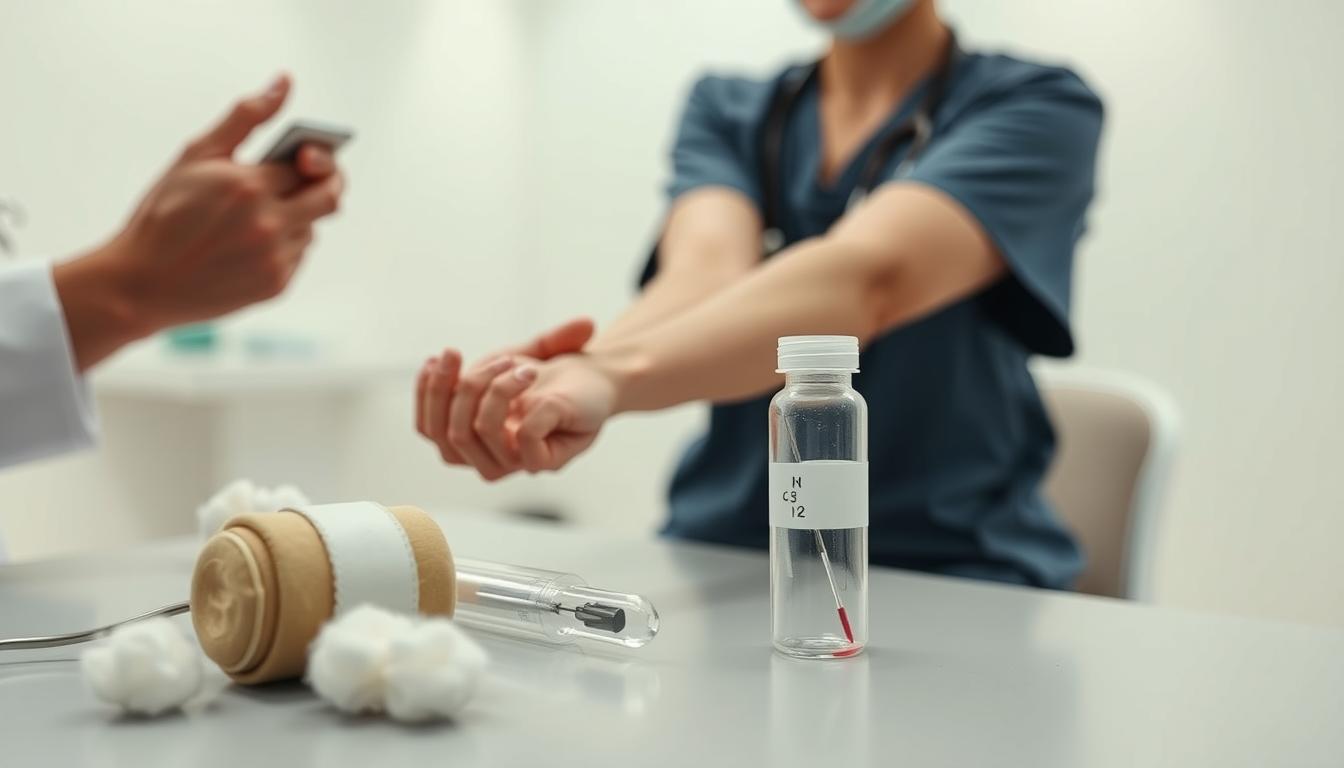
Did you know that over 14 billion laboratory tests are ordered annually in the United States? A significant portion of these are blood draws, making them one of the most common medical procedures people experience.
These analyses are vital for a clear picture of your well-being. They help doctors check your overall health, screen for potential issues, and monitor existing conditions. The information gathered from a simple vial is incredibly powerful.
However, the accuracy of this crucial health data hinges on one key factor: your preparation. What you do—or don’t do—in the hours before your appointment can significantly impact the outcome.
Following specific instructions, like properly preparing for a lab test, is essential. This guide provides 15 essential tips to ensure your results are reliable, helping your doctor make the best-informed decisions for your care.
Key Takeaways
- Proper preparation is critical for obtaining reliable medical data from your lab work.
- These analyses are a cornerstone of modern healthcare, used for checkups, diagnosis, and monitoring.
- Your actions before the appointment directly influence the accuracy of the information gathered.
- Following preparation guidelines can prevent the need for repeat procedures, saving time and money.
- Different types of analyses require different protocols, so always follow your doctor’s specific instructions.
Understanding the Basics of Blood Tests
Laboratory examinations provide valuable insights into your body’s functions by measuring different elements in your circulation. These procedures analyze various substances that reveal important information about your health status.
What Blood Tests Measure
These analyses evaluate numerous components including cells, platelets, enzymes, and minerals. They assess electrolytes, proteins, hormones, and other substances that indicate how your body is functioning.
Red blood cells transport oxygen throughout your system, and their measurement helps identify conditions like anemia. White blood cells combat infections, with their levels reflecting immune system health.
Common Blood Panels and Their Importance
The complete blood count (CBC) is the most frequently ordered examination. It measures red blood cells, white blood cells, and platelets while evaluating hemoglobin levels and cell size variations.
The basic metabolic panel screens for diabetes through glucose testing and checks kidney function. It also assesses calcium levels and measures electrolytes like sodium and potassium.
The comprehensive metabolic panel includes additional liver function assessments. Healthcare providers use these panels to screen for conditions, diagnose symptoms, and monitor treatment effectiveness.
Understanding what different analyses measure helps you appreciate why specific preparation instructions are necessary for accurate outcomes.
The Importance of Accurate Preparation for Reliable Results
What you do before your appointment can make or break your test accuracy. Proper preparation directly impacts the reliability of your lab work, which healthcare providers depend on for diagnosis and monitoring.
Inaccurate readings due to poor preparation can lead to unnecessary repeat procedures. This causes delayed diagnosis, incorrect treatment decisions, and increased healthcare costs.
Many factors influence your analysis. Recent food intake, hydration levels, physical activity, medication timing, and stress can significantly alter your readings.
Lab work provides a snapshot of your body’s function at a specific moment. Improper preparation distorts this snapshot, leading to potential misinterpretation of your health status.
While abnormal findings don’t automatically indicate serious conditions, accurate baseline results are essential. They help distinguish true health issues from preparation-related variations.
Consistent preparation protocols allow meaningful comparison of readings over time. This is particularly important for monitoring chronic conditions or treatment effectiveness.
Following guidelines demonstrates your engagement in healthcare. It helps build a productive partnership with providers for optimal health outcomes.
Pre-Test Preparations and Lifestyle Adjustments
Making thoughtful lifestyle adjustments before your medical evaluation ensures the data collected reflects your true health status. The hours and days leading up to your appointment require specific protocols for optimal accuracy.

Dietary Restrictions and Fasting Guidelines
Fasting requirements vary depending on the specific analysis needed. For glucose screening, you’ll typically need at least six hours without food or drink. This prevents recent consumption from affecting your sugar levels.
Avoid alcohol 24-48 hours before your appointment, as it can impact liver function readings. Limit high-fat foods before lipid panels and reduce vitamin-rich items that might skew measurements.
Proper hydration is essential for successful sample collection. Drinking water maintains volume, makes veins easier to locate, and prevents dehydration that can concentrate components.
Medication and Supplement Considerations
Some medications significantly affect your body’s chemistry. Diuretics, for example, can lower potassium levels. Always consult your healthcare provider about taking regular medications before your analysis.
Certain supplements containing biotin, iron, or calcium can interfere with specific readings. Discuss all supplements with your provider well before your appointment date.
Avoid strenuous exercise 24 hours beforehand, as intense activity can temporarily elevate enzymes and proteins. Maintain normal sleep patterns since sleep deprivation affects hormone balance and glucose metabolism.
Smoking and caffeine intake should be limited before certain analyses. They can temporarily alter heart rate, blood pressure, and various chemistry measurements.
How to Prepare for Blood Work: Essential Dos and Don’ts
A successful lab visit starts with knowing exactly what to do and what to avoid. This checklist helps you navigate the final steps before your appointment.
Following these simple guidelines ensures the information gathered is a true snapshot of your well-being.
Follow Your Doctor’s Instructions
Your healthcare provider gives you specific directions for a reason. Different analyses require unique preparation. What works for a basic checkup may not apply to a liver function panel.
Always confirm if fasting is needed. For most fasting analyses, you can still drink water. Never stop taking prescribed medication without talking to your doctor first.
Avoiding Common Pitfalls Before Your Test
Simple mistakes can lead to unclear data. Being aware of common errors helps you steer clear of them.
Honest communication is key. Tell your provider about any recent illnesses, supplements, or difficulty following instructions. This helps them interpret your information correctly.
| Essential Dos | Important Don’ts |
|---|---|
| Arrive on time, especially for morning fasting analyses. | Do not eat or drink (except water) if fasting is required. |
| Wear a short-sleeved shirt or loose-fitting clothing. | Avoid alcohol for at least 24 hours beforehand. |
| Bring your ID, insurance card, and a list of all medications. | Skip strenuous exercise the day before your appointment. |
| Stay relaxed and breathe deeply during the procedure. | Refrain from smoking right before your lab work. |
Asking questions beforehand prevents confusion. Confirm what to do if you feel unwell on the day. Proper preparation shows you are taking an active role in your health journey.
Interpreting Blood Test Results
Receiving your laboratory report can feel like reading a foreign language, filled with numbers and abbreviations. Understanding these values empowers you to engage actively in your healthcare. Each figure represents a specific aspect of your body’s function.
It’s crucial to compare your numbers against the reference range provided by the lab. These ranges define what is considered normal for that specific facility. Values marked with an (H) for high or (L) for low fall outside this typical span.
Understanding CBC Readings
The complete blood count (CBC) evaluates your cells. It provides a detailed look at the three main cell types in your circulation.
Red blood cells are responsible for carrying oxygen throughout your body. A low count of these cells, or low hemoglobin and hematocrit levels, can be a sign of anemia.
White blood cells are your body’s infection fighters. Their count indicates how well your immune system is functioning.
Platelets are essential for clotting. Their levels help assess your body’s ability to control bleeding.
| CBC Component | Primary Function | Key Insight |
|---|---|---|
| Red Blood Cells (RBC) | Carry oxygen | Low levels may indicate anemia |
| White Blood Cells (WBC) | Fight infection | High count can signal infection |
| Platelets | Control bleeding | Low count increases bleeding risk |
Decoding Metabolic Panel Data
Metabolic panels assess organ function and chemical balance. They measure substances like glucose, calcium, and potassium.
These results offer a window into the health of your liver and kidneys. For example, glucose levels are critical for diabetes screening, while calcium is vital for bone health.
Remember, a single abnormal value does not always indicate a serious problem. Your healthcare provider will interpret the full panel in the context of your overall health.
Maximizing Accuracy for Long-Term Health Monitoring
For ongoing health tracking, consistency is your most valuable tool. When you undergo regular lab work, maintaining similar preparation conditions allows for meaningful comparison over time. This consistency helps distinguish true health changes from normal variations.
Establishing an accurate baseline during your initial examination provides a crucial reference point. This baseline becomes the standard against which future readings are measured, making subtle trends easier to spot.

Schedule your appointments at the same time of day, preferably in the morning. This minimizes circadian rhythm effects on hormone levels and body chemistry. Using the same laboratory facility also improves consistency since reference ranges can vary.
Keep personal records of your key values over time. Tracking trends in glucose, cholesterol, and cell counts can reveal gradual changes that single readings might miss. This proactive approach helps identify potential issues early.
Maintain stable lifestyle habits between examinations. Consistent diet, exercise, and sleep patterns reduce confounding variables that could affect your readings. This improves the reliability of your long-term health monitoring.
Communicate any changes in medications, supplements, or health status with your provider. This information helps them accurately interpret whether fluctuations reflect true health changes or external influences.
Annual physical examinations typically include complete blood count and metabolic panels to screen for developing issues. Individuals with specific risk factors may need more frequent monitoring with additional specialized assessments.
Special Considerations for Disease Monitoring
Regular monitoring becomes particularly crucial when managing serious health conditions. For patients with cancer or chronic illnesses, laboratory work provides essential data for treatment adjustments.
Tracking patterns over time often reveals more than single readings. This ongoing assessment helps healthcare teams make informed decisions about care protocols.
Blood Tests in Cancer Care
Cancer treatment requires frequent assessment of how the body responds. The complete blood count examines three main cell types that treatment can affect.
Red blood cells carry oxygen throughout the body. Low levels may indicate anemia, causing fatigue and rapid heartbeat.
White blood cells fight infections. When certain types drop too low, infection risk increases significantly.
Platelets help control bleeding. Reduced counts can lead to easy bruising or bleeding complications.
Specialized assessments include tumor markers that track disease progression. Newer circulating tumor examinations detect cells that have broken away from original growths.
Chemistry panels monitor organ function during treatment. They check liver and kidney health, which some therapies can impact.
Managing Chronic Conditions Effectively
For diabetes, heart disease, or kidney issues, consistent tracking is key. Regular laboratory work helps gauge treatment effectiveness and disease progression.
Patients should discuss what to expect from their readings beforehand. Understanding typical ranges reduces anxiety when viewing information online.
Pattern recognition becomes valuable for long-term management. Gradual changes in key values can signal needed adjustments before symptoms appear.
Communication with your healthcare team ensures proper interpretation. They consider your full clinical picture when reviewing your numbers.
Effective Communication with Your Healthcare Provider
Clear communication with your healthcare team is as important as the medical evaluation itself. Before your appointment, ask what specific analyses are being ordered and why they’re necessary. Understanding the purpose helps you prepare properly and reduces anxiety.
Request information about when and where you’ll receive your laboratory findings. Different facilities may use varying reference ranges, so knowing the source matters. Establish a plan for how your provider will contact you to discuss the information.
Many patients now see their laboratory data through online portals before discussing them with professionals. This can cause unnecessary worry if values appear outside normal ranges. Ask who to contact if you have concerns before your scheduled review.
Request copies of your laboratory reports to track patterns over time. This helps you prepare informed questions and actively participate in health decisions. Bring previous reports to appointments for meaningful comparisons.
Honest communication about preparation challenges or recent health changes ensures accurate interpretation. Building a collaborative relationship with your provider leads to better health outcomes through shared understanding.
Practical Steps to Reduce Testing Stress
Feeling nervous about upcoming medical evaluations is completely normal and can be effectively managed with simple techniques. Many people experience anxiety due to needle concerns or worry about the procedure itself.
Preparing Mentally for the Test
Mental preparation begins with understanding what to expect. Learning about the process reduces fear of the unknown. Visualize a calm, successful experience beforehand.
Remind yourself that these procedures typically last only a few minutes. The temporary discomfort serves important health monitoring purposes. Arrive early to avoid rushing and wear comfortable clothing.
Mindfulness and Relaxation Techniques
During the procedure, focus on deep breathing exercises. Inhale slowly through your nose and exhale through your mouth. This calms your nervous system effectively.
Distraction methods work well for many people. Listen to music or engage in light conversation. Some find counting backwards helpful for redirecting focus.
| Technique | When to Use | Effectiveness |
|---|---|---|
| Deep Breathing | During procedure | High – reduces physical tension |
| Progressive Relaxation | Before appointment | Medium – prepares body |
| Visual Distraction | During blood draw | High – redirects attention |
| Positive Self-Talk | Entire process | Medium – builds confidence |
Communicate openly with healthcare staff about your concerns. They can provide additional support and make the experience more comfortable. Remember that managing stress contributes to better overall outcomes.
Conclusion
Your commitment to preparation transforms routine medical procedures into powerful health tools. Following the 15 essential tips ensures your laboratory work provides reliable data for accurate assessment.
Understanding what these analyses measure empowers you to ask informed questions and make better health decisions. This knowledge builds productive partnerships with your healthcare team.
Special situations like chronic condition monitoring require tailored preparation protocols. Comprehensive testing can spot potential issues early, making professional blood test services invaluable for preventive care.
Request copies of your findings and track values over time. Maintain open communication about any preparation concerns. While sometimes anxiety-inducing, these assessments are valuable for maintaining well-being.
Proper preparation combined with stress-reduction techniques ensures the most accurate results possible. Your proactive approach demonstrates true commitment to personal health management.