

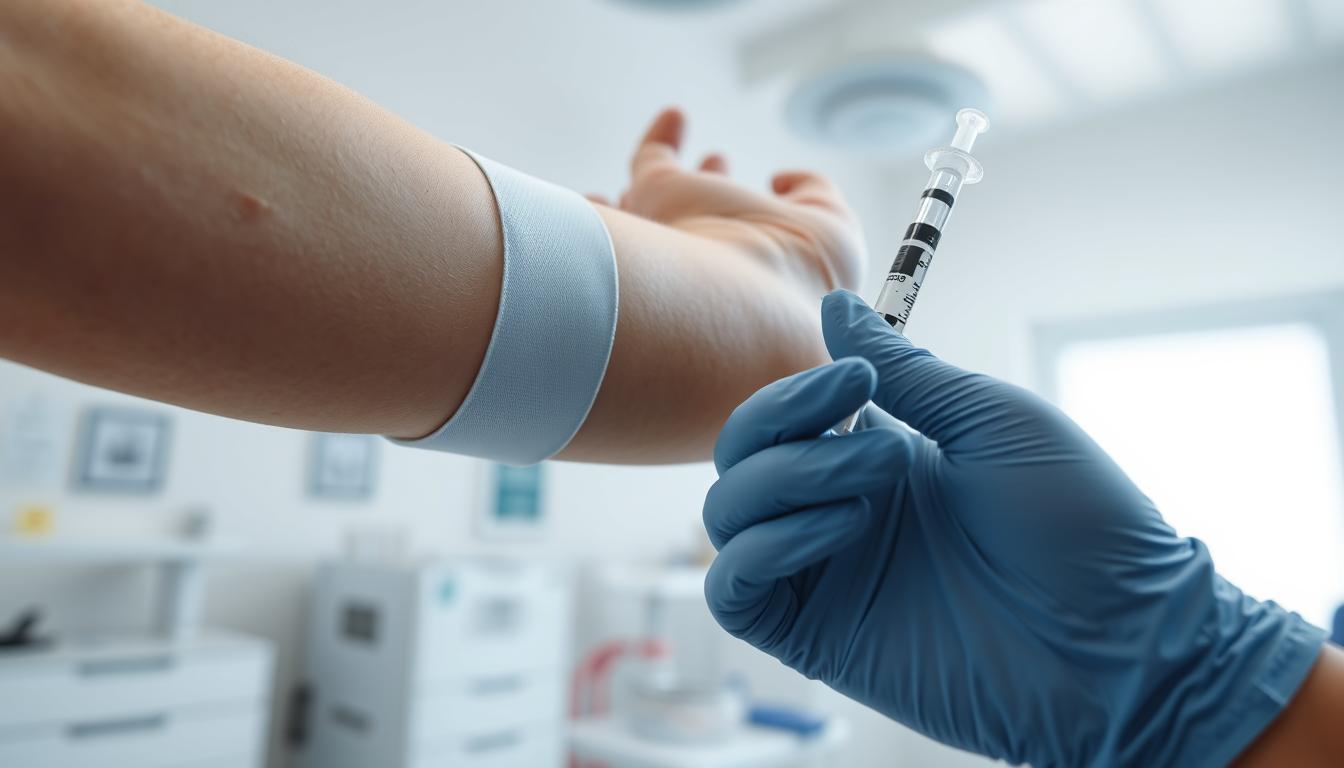
Did you know that over 14 billion laboratory tests are performed worldwide each year? The majority of these involve analyzing samples from the human body to assess wellness and detect potential issues.
Medical professionals rely on these diagnostic tools to get a clear picture of what’s happening inside your system. They provide crucial insights into how your organs function and help identify risk factors before they become serious problems.
One critical distinction that often confuses patients is whether they need to fast before their appointment. This preparation requirement can significantly impact the accuracy of your results.
Understanding the difference between fasting and non-fasting requirements helps you properly prepare for your visit. Proper preparation ensures your healthcare provider gets the most accurate information about your current state of wellness.
Throughout this guide, you’ll learn when fasting is necessary, how to prepare for different types of assessments, and what your results might reveal about your physical condition.
Key Takeaways
- Medical assessments through body fluid analysis provide vital health information
- Preparation requirements vary depending on the specific examination needed
- Fasting versus non-fasting preparation significantly impacts result accuracy
- These diagnostic tools help monitor chronic conditions and organ function
- Proper preparation ensures your healthcare provider gets reliable data
- Understanding test requirements reduces anxiety and improves outcomes
- Results help create personalized wellness plans and treatment strategies
Overview of Blood Tests and Their Importance
A sample taken from a vein offers a comprehensive snapshot of your body’s complex systems. This laboratory analysis examines various markers to evaluate your physiological and biochemical state.
What Are Blood Tests?
This common medical procedure involves drawing a small amount of fluid, typically from a vein in the arm. For some assessments, a simple fingerstick provides enough material.
Specialists then analyze the sample to detect abnormalities in body chemistry. The results help identify issues like mineral deficiencies or problems with organ function.
Role in Overall Health Assessment
This fluid serves as the body’s primary transportation system. Red blood cells carry oxygen to your tissues while removing waste products.
Because it circulates everywhere, its condition reflects your general wellness. These diagnostic tools are among the most frequently performed medical procedures.
They provide crucial information from a single sample. Professionals can monitor chronic diseases and assess treatment effectiveness.
Results offer insight into multiple systems at once. They serve as important screening tools that guide further investigation when needed.
Fasting vs Non-Fasting: Key Differences and Benefits
Understanding when to fast before medical testing can significantly impact the accuracy of your results. The main distinction lies in food consumption before your appointment.
Fasting procedures require abstaining from food for 8-12 hours beforehand. Non-fasting methods allow normal eating patterns to continue.
Preparation Guidelines for Fasting
Most fasting procedures need 8-12 hours without food. Water consumption is typically permitted during this period.
Schedule morning appointments to minimize discomfort. This timing reduces the fasting duration overnight.
Always confirm specific requirements with your healthcare provider. Instructions may vary based on the analysis needed.
| Aspect | Fasting Method | Non-Fasting Method |
|---|---|---|
| Preparation Time | 8-12 hours without food | No special preparation needed |
| Common Procedures | Glucose and lipid measurements | Complete blood count, basic panels |
| Accuracy Level | Baseline measurements without food influence | Reflects typical daily levels |
| Patient Convenience | Requires advance planning | Can be done anytime |
Pros and Cons of Each Method
Fasting provides more accurate baseline measurements for certain markers. It eliminates food’s temporary effects on your system.
Non-fasting offers greater convenience and flexibility. Patients avoid potential side effects like dizziness.
Recent research shows non-fasting lipid analysis may be acceptable for routine screening. Your doctor will recommend the best approach.
Common Blood Tests: From CBC to Metabolic Panels
Among the most frequently ordered diagnostic tools are comprehensive evaluations of cellular components and metabolic function. These laboratory panels provide essential information about your body’s fundamental operations.
Healthcare providers use these assessments to screen for various conditions and monitor treatment effectiveness. Each panel examines different aspects of your physiological state.
Complete Blood Count (CBC) Explained
The complete blood count is one of the most common laboratory evaluations. It measures three main cellular components: red cells carrying oxygen, white cells fighting infection, and platelets assisting with clotting.
This analysis includes hemoglobin levels indicating oxygen capacity and hematocrit showing red cell percentage. Special measurements like MCV and RDW reveal cell size variations.
Normal ranges differ by gender. Men typically have 4.5-6.1 million red cells per microliter, while women range from 4.0-5.4 million.
Understanding Basic and Comprehensive Metabolic Panels
The basic metabolic panel checks eight essential substances. It evaluates glucose for diabetes screening, electrolytes for fluid balance, and kidney markers for filtration efficiency.
The comprehensive metabolic panel expands this assessment with liver function tests. It measures proteins like albumin, liver enzymes, and bilirubin from cell breakdown.
These panels work together to provide a complete health picture. They help detect conditions affecting metabolism, organ function, and chemical balance.
Preparing for Your Blood Test: Tips and Best Practices
Proper preparation is key to ensuring your laboratory assessment provides accurate results. Following specific guidelines helps healthcare professionals obtain reliable information about your health status.
Pre-Test Dos and Don’ts
Always confirm preparation requirements with your healthcare provider before your appointment. Different evaluations need specific preparation protocols.
For fasting procedures, schedule morning appointments to minimize discomfort. Drink water during the fasting period to stay hydrated.
| Preparation Factor | Recommended Approach | Things to Avoid |
|---|---|---|
| Hydration | Drink plenty of water 24 hours before | Alcohol and caffeine |
| Medications | Consult your doctor about regular medications | Stopping prescribed drugs without guidance |
| Physical Activity | Light walking is acceptable | Strenuous exercise 24 hours prior |
| Clothing | Wear loose sleeves for easy access | Tight clothing that restricts circulation |

Inform your phlebotomist about any anxiety or history of fainting. They can help you feel more comfortable during the procedure.
After your sample collection, apply pressure to the puncture site. Avoid heavy lifting with that arm for several hours.
Knowing what to expect reduces anxiety and ensures a smooth experience. Proper preparation leads to more accurate diagnostic outcomes.
Interpreting Blood Test Results for Optimal Health
When you receive your laboratory report, understanding what the numbers mean is crucial for taking control of your wellness journey. These findings provide valuable insights into how your body is functioning.
Understanding Key Markers and Abnormalities
Laboratory results should always be interpreted using the reference ranges provided. Different facilities may use slightly different measurement methods.
An abnormal finding doesn’t automatically indicate a serious medical condition. These assessments provide snapshots of your body chemistry at specific moments.
Temporary factors like recent meals, stress, or medications can influence your results. Your healthcare provider considers these variables when reviewing your report.
Red blood cell counts reveal your body’s oxygen-carrying capacity. Low levels may suggest anemia, while high values could indicate dehydration.
Enzymes are proteins that help speed up chemical reactions in your system. Electrolytes maintain proper fluid balance and support nerve function.
Always discuss your findings with your healthcare provider. They can explain what your specific results mean for your overall health.
Blood Tests: Impact on Diagnosing Conditions and Monitoring Treatment
Laboratory analysis plays a crucial role in modern disease detection and health monitoring. These diagnostic tools help identify issues ranging from common infections to serious chronic conditions.

Detecting Diseases and Assessing Organ Function
Medical professionals use specific markers to evaluate how your organs are working. Liver enzymes reveal hepatic health, while creatinine levels indicate kidney function.
Thyroid hormones show endocrine system performance. Cardiac biomarkers help assess heart health and detect potential problems.
These analyses can identify autoimmune disorders through inflammation markers. They also screen for malignancies using tumor-specific indicators.
Role in Routine Screening and Follow-Up
Regular check-ups provide valuable baseline data for comparison over time. This helps catch changes early when they’re most treatable.
For people with existing health issues, ongoing monitoring ensures treatments remain effective. Dosage adjustments can be made based on current results.
Longitudinal tracking allows healthcare providers to establish personalized health patterns. This approach supports proactive rather than reactive care.
Blood Tests in Modern Healthcare: Innovations and Applications
The future of health monitoring is arriving faster than expected, with groundbreaking methods revolutionizing diagnostic procedures. These innovations are making assessments more accessible and efficient for everyone.
Technological Advances in Testing
Point-of-care devices now deliver rapid results at the bedside or in doctor’s offices. They eliminate the traditional wait for laboratory processing.
Microfluidic systems like SIMBAS can diagnose conditions within 10 minutes using minimal samples. This self-powered system captures 99% of cells without external equipment.
Canadian researchers developed microchips using microemulsion technology. These chips control droplet size with precision for better accuracy.
| Aspect | Traditional Methods | Modern Innovations |
|---|---|---|
| Processing Time | Days for results | Minutes to hours |
| Sample Size | Multiple tubes required | Minimal fingerstick samples |
| Accessibility | Central laboratories only | Point-of-care availability |
| Cost Efficiency | Higher processing costs | Reduced manufacturing expenses |
Future Trends in Blood Analysis
Saliva analysis shows promise as an alternative to traditional methods. It contains approximately 20% of the proteins found in bodily fluids.
Artificial intelligence helps identify patterns in complex data sets. Machine learning personalizes treatment recommendations based on individual profiles.
Liquid biopsy technology detects cancer cells in circulation. This offers less invasive alternatives to tissue procedures.
At-home services allow independent sample collection by patients. Digital integration connects results with health records for comprehensive care.
Conclusion
The partnership between patient and healthcare provider is strengthened through informed testing practices. Understanding when fasting is required ensures your results accurately reflect your body’s true state.
Regular assessments offer vital snapshots of your internal wellness. They help detect issues early and monitor treatment effectiveness. Most adults benefit from annual check-ups.
Always discuss your findings with medical professionals. They interpret results within your complete health picture. Advances in technology make these procedures more accessible than ever.
Schedule your next assessment as recommended. Follow preparation guidelines carefully. Use your results as motivation for positive lifestyle changes when needed.