

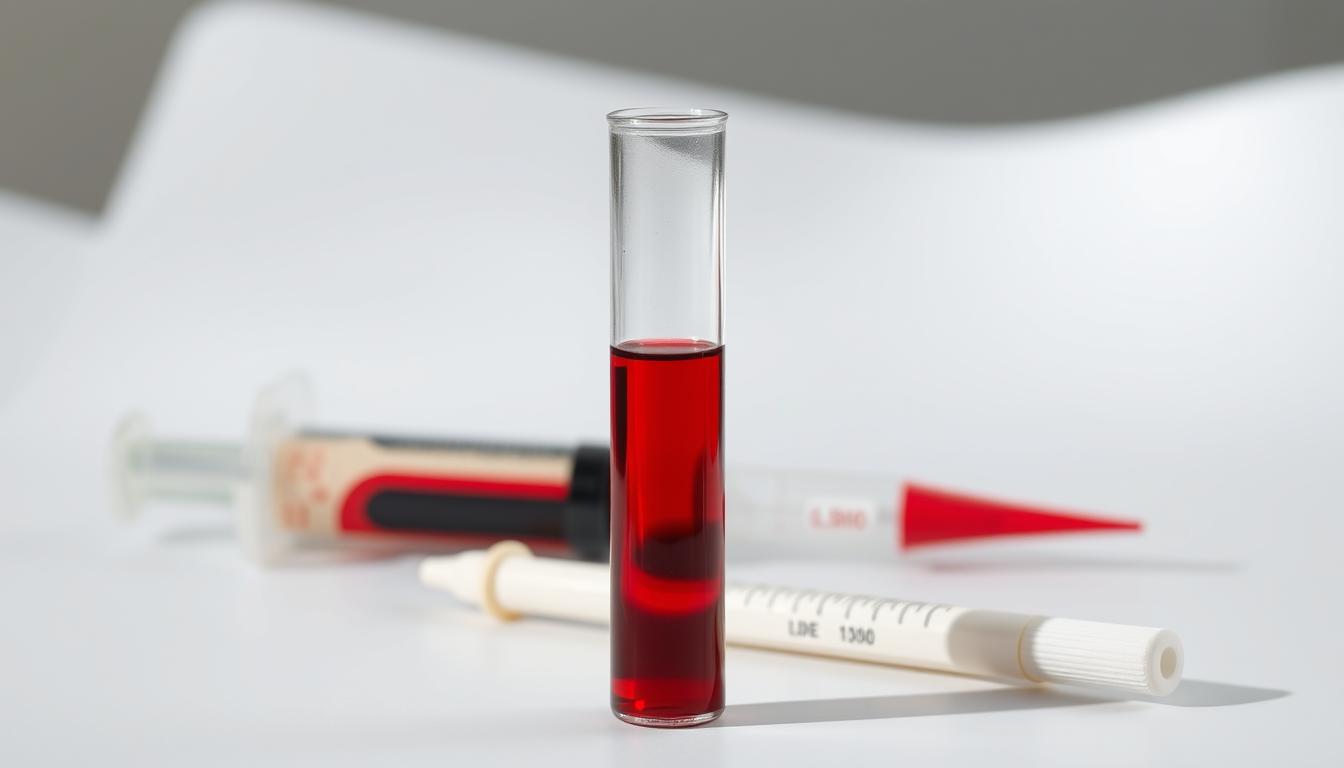
Nearly 38% of American adults have unhealthy lipid levels, yet many don’t realize it until serious problems develop. This silent condition can progress for years without any obvious symptoms.
Understanding your lipid panel results is one of the most important steps you can take for preventive care. These numbers provide a clear window into your cardiovascular well-being.
Lipids are essential fats that help your body function properly. They build cells and create hormones. However, when levels become unbalanced, these same substances can create dangerous plaque buildup in your arteries.
The great news is that catching elevated numbers early gives you power. You can work with your healthcare provider to make meaningful changes. This comprehensive guide will walk you through understanding different lipid types, preparing for your assessment, and managing your results for optimal heart health.
Key Takeaways
- Lipid panels provide crucial early warning signs for cardiovascular risks
- Many people have unbalanced levels without experiencing symptoms
- Early detection allows for proactive lifestyle changes
- Different lipid types serve distinct functions in your body
- Regular monitoring helps track your cardiovascular health progress
- Working with your healthcare provider ensures personalized management strategies
Understanding Your Cholesterol Blood Test
Your lipid panel reveals four crucial numbers that tell a complete story about your cardiovascular health. Each component plays a distinct role in maintaining balance within your system.
Cholesterol Fundamentals: HDL, LDL, and Triglycerides
Total cholesterol represents the complete measurement circulating in your blood. This number combines all lipid types working throughout your body.
Low-density lipoprotein (LDL) often earns the “bad” label. These particles can contribute to dangerous plaque formation within your arteries. When buildup occurs, it restricts healthy blood flow.
High-density lipoprotein (HDL) serves as the “good” counterpart. This helpful substance works to remove excess lipids from your system. It transports them away from arterial walls for processing.
Triglycerides represent a different type of fat in your bloodstream. Elevated amounts can significantly increase cardiovascular risks. They work alongside other lipids to influence your overall health.
How Cholesterol Affects Heart Health and Atherosclerosis
Excess lipids can enter artery walls and damage their integrity. This process silently creates hardened deposits called plaque. The gradual accumulation is known as atherosclerosis.
This silent development may lead to serious conditions. Blocked blood flow to the heart causes coronary artery disease. Reduced circulation to limbs creates peripheral artery issues.
Carotid artery disease occurs when brain circulation becomes compromised. Many people experience no symptoms until a major event occurs. Regular monitoring helps detect changes early.
Preparing for and Taking the Lipid Panel
Before your healthcare appointment, certain preparations help guarantee precise lipid measurements. Following your provider’s specific instructions ensures reliable results that accurately reflect your cardiovascular status.

Fasting and Pre-Test Instructions
Most lipid panel assessments require fasting for approximately 12 hours beforehand. This means consuming only water and avoiding all foods and beverages. The fasting period helps stabilize your lipid levels for accurate measurement.
Your healthcare provider may give additional guidelines about medications or supplements. Some substances can temporarily affect your lipid readings. Always disclose everything you’re taking to ensure proper interpretation of your panel results.
What to Expect During the Blood Draw
The procedure itself is straightforward and typically completes within minutes. A trained professional will draw a small sample from a vein in your arm. Most people experience minimal discomfort during this routine process.
Your sample then travels to a laboratory for detailed analysis. The comprehensive evaluation examines different lipid components in your system. This thorough assessment provides crucial information about your cardiovascular health.
Results usually become available within a few days to a week. Your provider will contact you to discuss the findings. Many healthcare services also offer electronic access to your results through patient portals.
Interpreting and Managing Your Test Results
Understanding what your lipid measurements mean empowers you to take control of your health journey. Your provider reports these numbers in milligrams per deciliter (mg/dL), the standard unit for lipid assessment.
Decoding Total, LDL, HDL, and Triglyceride Levels
Target levels vary based on age, ethnicity, and sex. For most adults, ideal HDL should be above 60 mg/dL for optimal protection.
Females typically need HDL of at least 50, while males require at least 40. Total readings of 200 mg/dL or higher generally indicate high levels.

If you have existing heart conditions or multiple risk factors, your provider may want LDL below 70 mg/dL. The principle is clear: lower is better for LDL, with no established minimum limit.
Understanding Risk Factors: Heart Attack, Stroke, and Plaque Build-up
Elevated numbers contribute to plaque accumulation in arteries. This buildup restricts blood flow and increases heart attack and stroke risks.
Other risk factors include family history, high blood pressure, diabetes, and smoking. Even one elevated reading warrants discussion with your provider.
Working with Your Provider for Optimal Cholesterol Levels
Your healthcare professional will help interpret your individual risk profile. Together, you can develop a personalized plan for optimal results.
Treatment approaches may include lifestyle modifications or medications. Regular monitoring ensures your strategy remains effective for long-term heart health.
Conclusion
Maintaining optimal heart health requires regular monitoring tailored to your individual needs. How often you need cholesterol checked depends on several personal factors that your healthcare provider will evaluate.
Your age plays a significant role, with older adults typically requiring more frequent assessments. Family history of heart conditions also influences testing frequency. If close relatives have cardiovascular issues, you may need cholesterol levels monitored more closely.
Sex differences matter too—males often get cholesterol assessments starting younger and more regularly. Children should have their first screening between ages 9-11, then checked every five years unless family history suggests earlier testing.
Discuss your personalized schedule with your provider. Regular monitoring over the years helps detect changes early, allowing proactive management before serious complications develop.
Take charge of your cardiovascular well-being by scheduling your next assessment if it’s been some time. This simple step empowers you to maintain optimal heart health for years to come.